

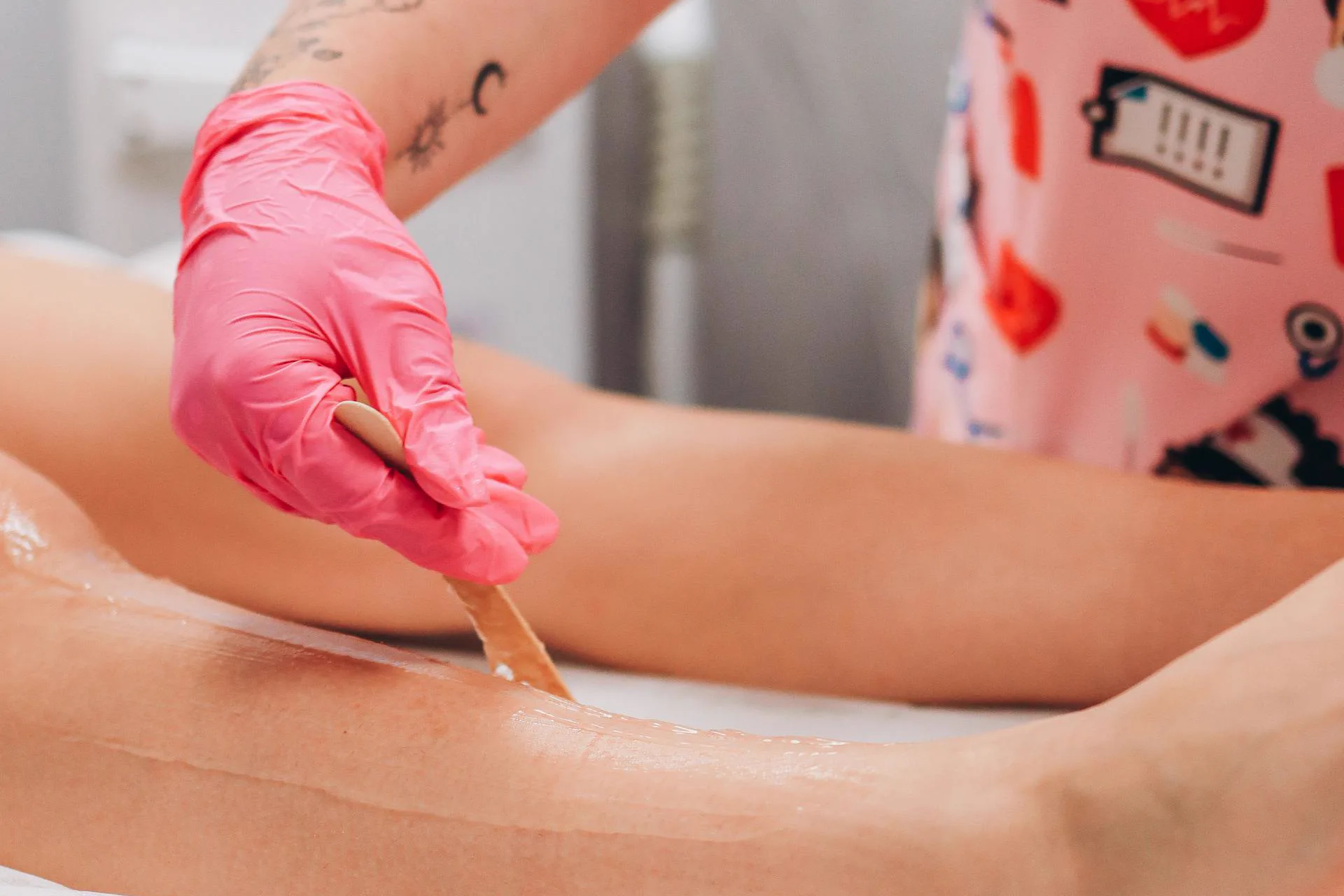
"Is sugaring really better than waxing, or are they just charging more for the same thing?"
This is one of the most common questions we get from new clients in Toronto and the GTA, and it deserves an honest answer rather than a marketing pitch. Sugaring and waxing both remove hair from the root, both produce smooth skin for several weeks, and both can be done on essentially any body area. The differences are in the details: what the paste is made of, how warm it is, how it is removed, and how your skin reacts to each.
This guide is the side-by-side from a Toronto sugaring studio that does both. We will cover the ingredient and temperature differences, the direction of removal and why that matters more than people think, the realistic pain comparison, ingrown hair rates, sensitive skin considerations, and the situations where waxing is still the better choice.
The 30-Second Summary
Sugar paste is made of sugar, lemon, and water; it is applied at body temperature, against the direction of hair growth, and removed in the direction of growth. Wax is made of resin and oils; it is applied hot at around 50 degrees Celsius, in the direction of growth, and removed against the growth. Sugaring is gentler on skin, lower in burn risk, and produces fewer ingrown hairs in most clients. Waxing can be faster for large areas of coarse hair. For most people, especially those with sensitive skin or a history of ingrowns, sugaring is the better default choice.
The Ingredient Difference
The fundamental difference between sugaring and waxing starts with what is on the spatula.
Sugar Paste
Genuine sugaring paste is made from three ingredients: sugar, lemon juice (citric acid), and water. That is the full list. It is mixed and cooked to a specific consistency that is firm enough to grip hair but soft enough to be reworked by hand. There are no preservatives, no resins, no fragrances, and no synthetic additives. If you have read a label that names "sugar paste" but lists ten other ingredients, that is not traditional sugaring paste, that is a hybrid product.
Because the only active component is sugar, sugaring paste is water-soluble. Anything that gets on clothing, towels, or skin rinses off with warm water. This matters more than it sounds: there is no oily residue to break down, no chemical solvent needed for cleanup, and nothing to interfere with downstream skincare.
Wax
Wax formulas vary widely. The base ingredient is usually a natural resin (pine, beeswax) or a synthetic resin, combined with oils, fragrance, sometimes colourants, and stabilising agents. Hard wax (used for delicate areas like Brazilian and face) and soft wax (used with strips on larger body areas) have different formulations but both share the same basic chemistry.
Wax is not water-soluble. Removing residue from skin or clothing requires an oil-based remover, which adds another step and another product to the experience. The resin is what allows wax to grip hair tightly, but it is also what makes wax stick to the surrounding live skin cells, not just the hair.
Temperature: A Bigger Deal Than It Sounds
Heat is one of the underappreciated variables in hair removal, and it is where sugaring has a clear advantage for skin comfort.
Sugaring paste is warmed to roughly body temperature, around 37 degrees Celsius. It is comfortable on the skin from the first application and never produces a thermal sensation. The esthetician warms the paste between their palms to keep it pliable and works it gently against the direction of growth.
Wax is applied at around 50 to 55 degrees Celsius. Reputable studios test the wax on the inside of the wrist or with a thermal probe before applying, and a well-trained esthetician will use temperatures that are warm but not painful. Even at safe temperatures, the heat does several things: it slightly dilates the pores, it produces a thermal reaction in surrounding tissue, and in occasional cases it can cause small burns, particularly on the upper lip, bikini, or other thin-skinned areas. Burns from wax are not common with experienced practitioners, but they do happen.
For clients with sensitive skin, rosacea, or anyone who naturally flushes easily, the temperature difference is a meaningful reason to prefer sugaring.
The Direction of Removal: Why It Matters More Than People Realise
This is the technical difference that has the biggest effect on long-term outcomes, and it is the one most clients never hear about.
How Each Method Removes Hair
Sugaring
- Paste applied against hair growth direction
- Removed with hair growth direction
- Pulled from the base of the hair shaft, in line with the follicle
- Less likely to break hair below the skin's surface
- Less likely to redirect new hair growth sideways
- Lower rate of ingrown hairs over time
Waxing
- Wax applied with hair growth direction
- Removed against hair growth direction
- Pulled at an angle perpendicular to the follicle
- Higher chance of snapping hair below the skin's surface
- Can cause hair to regrow at an altered angle
- Higher rate of ingrown hairs, particularly in the bikini area
The hair removal direction is also why sugaring tends to produce a "thinner regrowth over a series" effect that many clients report. Removing the hair in line with the follicle, repeatedly, gradually causes some follicles to produce finer hair or stop producing hair at all. This is not laser-level permanent reduction, but it is a measurable cumulative effect that waxing does not produce.
The Pain Comparison, Honestly
Pain is the question every first-time client wants answered honestly, and the answer is: both methods involve sensation, sugaring is genuinely less intense, but neither is pain-free.
Sugaring Sensation
A brief, sharp tug as each section is removed. Most clients describe it as comparable to a hair-removal session at a fraction of the intensity. The lack of heat means no thermal component to the discomfort. By the second or third session, most clients adapt and describe it as easily tolerable.
Waxing Sensation
A sharper, hotter pull. The combination of warm wax on the skin and the against-growth removal creates a more intense sensation, particularly in delicate areas like the bikini, underarms, and upper lip. Many waxing clients describe a brief sting after each strip.
The First-Timer Adjustment
First sessions of either method are the most intense because the hair is at its longest and the follicles have been undisturbed for the longest. By the second or third regular appointment, the hair is finer and easier to remove, and the experience is noticeably more comfortable.
Cycle Timing Matters
For monthly cycles, the few days right before and during a period are the most pain-sensitive. Booking 5 to 7 days after the period ends, when estrogen is high and pain tolerance is at its peak, is the most comfortable window for both methods.
Ingrown Hairs: The Long-Term Difference
If you have a history of ingrown hairs, especially in the bikini area, this section matters most for you.
Sugaring produces fewer ingrown hairs over time for two specific reasons. First, removing hair in the direction of growth keeps the follicle aligned and reduces the chance that a snapped-off hair will curl back into the skin as it regrows. Second, sugar paste exfoliates as it is applied and removed, lifting dead skin cells that would otherwise trap new hairs as they push through the surface. The combination of correct removal direction and gentle exfoliation makes a measurable difference.
Waxing pulls against the growth direction, which mechanically increases the chance of breaking hairs below the surface or distorting the follicle angle. Both of those produce ingrowns. Waxing can also leave a small amount of oily residue on the skin that, combined with the inflammation of the procedure, contributes to clogged pores around the follicles.
None of this means waxing always causes ingrowns or sugaring never does. Individual skin type, body area, exfoliation habits at home, and clothing all play a role. But across hundreds of clients, the pattern is consistent: clients who switch from regular waxing to regular sugaring report fewer ingrowns within the first few cycles.
If You Get Ingrowns Easily, the Routine That Helps
Exfoliate gently between sessions
Two to three times per week, starting 48 hours after a hair removal session. A soft washcloth or a chemical exfoliant with low-strength salicylic acid works better than aggressive scrubs.
Avoid friction immediately after
Tight clothing, leggings, and synthetic underwear can press hairs back into the follicle. Loose cotton for the first 24 to 48 hours after a session in the bikini or underarm area.
Keep a consistent cadence
Coming back at the same interval keeps follicles synchronised in their growth cycle, which reduces the patches of hairs at different stages that contribute to ingrowns. Skipping a month tends to make the next session harder.
Consider a vajacial for the bikini area
If bikini ingrowns are a chronic issue, a vajacial between sugaring sessions provides professional extraction and exfoliation that home care can't match. See our combining vajacials with sugaring guide.
Sensitive Skin, Eczema, and Skin Conditions
Skin condition is where sugaring's gentleness shows up most clearly. Here is how the two methods compare across common situations.
- Sensitive skin that flushes easily: Sugaring wins. No heat, no chemical resin, and the paste does not pull at live skin cells.
- Eczema or dermatitis (not in a flare): Sugaring is safer. Wax can adhere to and worsen patches of dry, compromised skin.
- Eczema or dermatitis in an active flare: Wait until the flare settles for either method. Hair removal over compromised skin is not appropriate regardless of technique.
- Recent retinoid use: Both methods require a pause from retinoids (usually 5 to 7 days for OTC retinol, longer for prescription retinoids), but the wax adhesion to thinner retinised skin can cause more irritation. Tell your esthetician everything you're using.
- Recent sun exposure or sunburn: Wait at least 48 hours after significant sun. Skin healing from UV exposure is more vulnerable to lifting from wax.
- History of cold sores: Both methods can trigger a cold sore outbreak around the upper lip if you are prone. Antiviral prophylaxis or skipping that area is the safer approach.
When Waxing Still Has the Edge
Honest comparison means giving each method credit for what it does well. There are situations where waxing is genuinely the better choice.
Very Coarse, Dense Hair
Hard wax has a slight edge on very coarse, dense hair (often men's chest or back, or some bikini lines after a long break). The strong grip pulls coarse hair more reliably. Most modern sugaring paste handles coarse hair well too, but for the densest hair, hard wax is faster.
Large Body Areas, Short Time
If you have a tight schedule and you need full legs and arms done in 45 minutes flat, strip waxing can be faster on broad, even surfaces. Sugaring is more methodical because it works section by section by hand. Either way, hour-long appointments produce better, less rushed results.
Strong Personal Preference
Some clients are simply more comfortable with what they already know. If you have been waxing happily for years with no ingrown issues, no irritation, and no skin sensitivity, there is no urgent reason to switch. Sugaring's advantages compound for clients who have had problems with waxing.
Availability and Familiarity
Waxing is more widely available than dedicated sugaring outside major cities. If you are travelling and need maintenance in a smaller area, finding a quality waxer is often easier than finding a quality sugarist. In Toronto, dedicated sugaring studios are increasingly common.
Cost and Frequency: What a Year Looks Like
For most clients, the practical difference in annual cost is small. Single-session prices for sugaring and waxing are similar in the Toronto market, with sugaring sometimes priced slightly higher at studios that specialise in it. Both methods require a return every 4 to 6 weeks for ongoing maintenance, so the annual session count is comparable.
Where cost can differ:
- Add-on products. Some waxing studios upsell ingrown hair serums, oil-based cleansers, and post-care lotions. Sugaring studios use water-soluble paste so there is no waxy residue and fewer post-care products needed.
- Treating ingrowns. If you develop ingrowns from waxing, treating them (vajacial, extractions, topical treatment) is an additional cost. Lower ingrown rate with sugaring tends to mean less of this expense.
- Membership pricing. Many studios in the Toronto area offer membership pricing that reduces per-session cost by 15 to 25 percent for clients on a regular cadence. Both sugaring and waxing services are typically included.
What This Looks Like in Practice at Our Etobicoke Studio
Anagenesis is a dedicated sugaring studio at 411-190 Sherway Dr in Etobicoke, easily accessible from Toronto, Mississauga, Oakville, and the wider GTA. We offer Brazilian sugaring, full body sugaring, and individual area work, all performed by licensed estheticians in private treatment rooms. Free on-site parking, evening and weekend appointments.
For first-time clients switching from waxing, we typically book 15 to 20 minutes extra for the initial consultation to talk through your previous experience, any skin conditions, and what to expect from the technique change. The hair length requirement is the same (about 1/4 inch, or 2 to 3 weeks of growth), so you can switch over without any "in between" awkward phase.
Ready to Try Sugaring?
If you have been waxing and want to compare for yourself: book a sugaring appointment. For Brazilian specifically, see our Brazilian sugaring guide. If you are completely new to hair removal, our first-time sugaring guide walks through what to expect step by step.
For pregnancy considerations see sugaring during pregnancy. If you are considering longer-term reduction, our sugaring vs laser comparison covers that tradeoff. To prevent ingrowns, see how a vajacial complements your sugaring routine.
Frequently Asked Questions
Generally yes, for two reasons. First, sugar paste does not adhere to live skin cells the way wax does, so when it is removed, the skin is not lifted along with the hair. Second, sugaring is applied at body temperature, while wax is applied at around 50 degrees Celsius, which adds a thermal component to the sensation. Most clients describe sugaring as a sharp brief tug, while waxing is a sharper, hotter pull.
Two main reasons. Sugar paste is removed in the direction of natural hair growth, which is less likely to break the hair under the skin's surface or change its growth direction. And sugar exfoliates as it is applied and removed, lifting away the dead skin cells that can trap new hairs as they grow back. Waxing pulls against the direction of growth, which can snap hairs below the surface.
Sugaring is generally a safer choice for sensitive and eczema-prone skin than waxing, because sugar paste only sticks to the hair and dead skin cells rather than to live skin. The lower temperature also avoids the heat irritation that wax can cause. That said, anyone with active eczema, psoriasis, or open lesions in the treatment area should wait for the skin to settle before any hair removal.
In practical terms, similar. Both remove the hair from the root, so regrowth times are governed by the natural hair growth cycle of each area. Most clients return every 4 to 6 weeks for either method. Some find sugaring regrowth is finer over a series of sessions because of how the paste removes hair in the direction of growth, which can help thin the regrowth over time.
Yes, switching from waxing to sugaring does not require a break. The hair just needs to be the right length, around 1/4 inch (about 6mm) or roughly 2 to 3 weeks of growth, regardless of which method you used previously. Most clients who switch from waxing to sugaring notice the difference in irritation and ingrown rate within the first or second appointment.
Anagenesis Beauty Clinic and Spa offers Brazilian sugaring and full body sugaring at our Etobicoke clinic near Sherway Gardens, easily accessible from Toronto, Mississauga, Oakville, and the wider GTA. Licensed estheticians, private rooms, free on-site parking, and evening and weekend appointments.